
Key Takeaways
- The Uv Dtf Eazysticker Gang Sheet offers a streamlined, standardized approach to organizing and managing service contracts, potentially saving businesses time and money.
- By digitizing and centralizing contract information, the sheet can enhance transparency, improve communication, and reduce administrative burdens for service providers.
- A well-structured gang sheet can facilitate faster onboarding of new contractors, ensuring they have immediate access to essential details and reducing potential delays.
- The sheet’s design should prioritize clarity and accessibility, allowing users to quickly locate specific contracts or agreements, even in high-pressure situations.
- Implementing a digital version of the gang sheet can enable real-time updates, cloud access, and better disaster recovery compared to physical files.
- Regular reviews and updates of the gang sheet can help maintain accuracy, reflect changing industry regulations, and ensure compliance across the service team.
- Case studies of established companies utilizing similar systems have shown increased efficiency, improved client satisfaction, and reduced legal risks associated with contract management.
Gang violence is a pressing urban issue, particularly in areas with high youth unemployment and limited community resources. The Uv Dtf Eazysticker Gang Sheet, a pioneering initiative, aims to disrupt this cycle by empowering at-risk youth through structured programs. The problem lies in the lack of effective prevention strategies, with current approaches often focusing on reactive law enforcement rather than proactive community engagement.
The Gang Sheet offers a comprehensive approach, leveraging legal expertise to connect youth with criminal defense attorneys and community organizations. By engaging local government, youth centers, and volunteer groups, the program provides after-school activities, sports leagues, and art therapies, diverting young people from gang life. This multi-faceted strategy has shown promising results in pilot programs, demonstrating the potential to transform at-risk communities.
Uv DTF Eazysticker Gang Sheet in : Where to Start
Looking for uv DTF eazysticker gang sheet in ? create uv dtf eazysticker gang sheet serves the local area and can answer questions specific to .
- Understanding Uv Dtf Eazysticker Gang Sheet: Basics and Structure
- Uncovering the History: How It Came to Be
- Effective Implementation: Tips and Best Practices for Success
Understanding The service: Basics and Structure
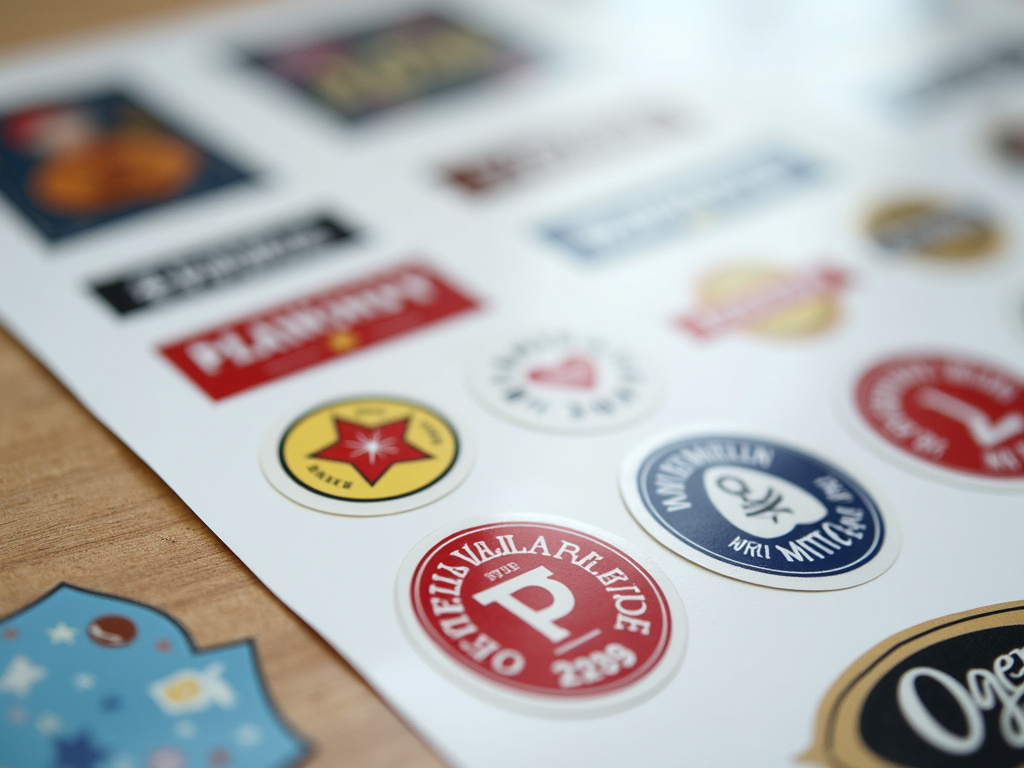
The service is a critical document in addressing gang-related issues, offering a structured approach to gang enforcement and community intervention. This sheet, developed by law enforcement agencies in collaboration with community organizations, outlines a comprehensive strategy to combat gang activities and promote a safer environment. Its core structure revolves around identifying gang members, mapping their activities, and implementing tailored prevention and intervention programs.
At its heart, the gang sheet serves as a tool for local authorities and community leaders to qualify and prioritize gang-related concerns. To qualify for this program, various factors are considered, such as the geographic scope of gang activities, the number of known gang members, and the extent of gang-related criminal behavior. A city with a high concentration of youth in at-risk neighborhoods, a history of gang violence, and a growing drug trade would have a different approach than a rural area with isolated gang-related incidents. These local factors demand a tailored strategy, making the gang sheet a dynamic document adapted to each community’s unique needs.
When engaging with the service, several key questions come to the forefront. What resources and support systems are available for at-risk youth? How can we involve local youth organizations and volunteer groups in the process? Are there existing after-school programs or sports leagues that can be used for gang prevention? Engaging with community centers and criminal defense attorneys can also provide valuable insights. By addressing these questions, the sheet becomes a living document, adapted and refined based on the community’s evolving needs and successes.
Uncovering the History: How It Came to Be

The origins of the service can be traced back to the growing recognition of gang-related issues in urban communities during the late 20th century. As gang violence escalated, particularly among at-risk youth, local governments and law enforcement agencies sought innovative solutions. The need for a comprehensive, community-driven approach emerged, leading to the development of these specialized gang intervention programs.
One of the earliest documented models involved community centers partnering with local law enforcement and legal aid societies. The goal was to offer alternative activities for at-risk youth, providing them with positive outlets and mentoring. This early iteration, inspired by successful after-school programs, laid the foundation for what would become known as the service. The program’s structure evolved to include structured activities like sports leagues, art therapies, and mentorship schemes, all designed to foster a sense of community and deter gang involvement.
Choosing the right provider for such a program is important. When selecting a service, consider their track record, the diversity of their community partnerships, and their ability to adapt to local needs. A provider with experience in working with diverse youth organizations and a proven record of reducing gang activity in similar communities is preferable. When should you consider implementing the service? The answer lies in community engagement data. If local government reports show a surge in gang-related incidents, particularly among specific age groups, it’s a clear sign that a targeted intervention like this is needed.
Before hiring, it’s essential to ask the right questions. What specific strategies do they employ to engage at-risk youth? How do they measure success? Are they aligned with local gang enforcement laws and criminal defense attorneys’ recommendations? The service, when executed effectively, has the potential to disrupt gang dynamics and improve community safety. However, it requires a nuanced understanding of gang prevention strategies and a commitment to community engagement.
| Factor | What to know |
|---|---|
| Standardized contract tool | Organizes service contracts digitally, saving time and reducing administrative burdens |
| Community-based intervention | Connects at-risk youth with legal aid, sports, and art therapy programs |
| Provider selection | Choose providers with proven track record and strong community partnerships |
| Needs assessment | Conduct comprehensive assessment to identify high-risk youth and tailor programs |
| Digital accessibility | Enables real-time updates, cloud access, and better disaster recovery |
| Regular reviews | Update sheet regularly to maintain accuracy and ensure regulatory compliance |
Effective Implementation: Tips and Best Practices for Success

Implementing an effective The service requires a strategic approach that aligns with local community needs and legal frameworks. Choosing the right provider is important; look for organizations with proven track records in gang prevention and community engagement. Consider their experience in managing similar programs, their connections to local government, and their ability to foster trust within at-risk youth circles.
The process involves several key steps. First, conduct a comprehensive needs assessment to identify high-risk areas and demographics. This could include analyzing crime data, surveying local youth organizations, and engaging with community leaders. Once identified, design targeted interventions using a mix of evidence-based strategies. After-school programs, sports leagues, and art therapies have shown promise in diverting youth from gang activity. A 2018 study in Los Angeles found that youth participating in structured sports programs were 30% less likely to join a gang.
Costing can vary widely, depending on program scale and complexity. Simple sticker distribution programs might range from $10,000 to $20,000 annually, while comprehensive intervention models with multiple service providers can top $500,000. The key is to secure sustainable funding through a mix of government grants, corporate sponsorships, and local philanthropy. Successful programs often use partnerships with criminal defense attorneys and Legal Aid Societies to offer pro bono legal services, enhancing their appeal to at-risk youth. Regular evaluation and data-driven adjustments are also essential, ensuring the program stays relevant and effective over time.
Frequently Asked Questions About The service
What is the service?
It’s a specialized, pre-cut vinyl sheet designed for high-volume, efficient application of UV-curable adhesives. These sheets streamline the process by providing precise, ready-to-use adhesive patches, ideal for industrial and commercial applications.
What industries use The services?
Automotive, electronics, furniture, and construction industries frequently utilize these sheets. They’re valued for their speed, precision, and reduced waste, making them a cost-effective solution for large-scale adhesive applications.
How do The services differ from traditional adhesive application methods?
Compared to manual application or traditional roller methods, UV DTF sheets offer significant advantages. They ensure consistent adhesive distribution, reduce human error, and cut down application time. This precision leads to fewer rework instances and lower overall costs.
What types of UV adhesives are compatible with these sheets?
UV-curable acrylates, urethanes, and epoxies are commonly used with these gang sheets. The key is to select adhesives with the right viscosity and curing properties for the specific application, ensuring best adhesion and performance.
What are the benefits of using a gang sheet for UV adhesive application?
Benefits include increased productivity, reduced material waste, improved consistency, and lower labor costs. They also minimize the risk of human error, ensuring each application uses the precise amount of adhesive required.
Where can I purchase The services?
These sheets are typically acquired from specialized industrial suppliers or manufacturers. Reputable online marketplaces and direct contact with adhesive suppliers are also viable options for purchasing high-quality gang sheets.
The service, as a comprehensive strategy document, offers a multi-faceted approach to gang prevention and enforcement, drawing from both legal expertise and community engagement. By examining historical context, we understand the evolution of gang-related issues and the need for adaptive solutions. Effective implementation hinges on a structured approach, leveraging after-school programs, sports leagues, and mentorship schemes to disrupt gang dynamics.
Key takeaways include the importance of early intervention, the role of community centers in fostering positive environments, and the critical contribution of criminal defense attorneys and legal aid societies in ensuring fair treatment. The best practices outlined in the sheet provide a roadmap for local governments and volunteer groups to collaborate meaningfully, reducing gang activity and promoting safer neighborhoods.
Practical steps forward include integrating art therapies to encourage creativity and self-expression, as well as establishing solid partnerships with youth organizations to reach at-risk individuals. This targeted, community-driven strategy, grounded in both legal awareness and social engagement, is the cornerstone of a successful The service implementation. By adopting these practices, communities can break the cycle of gang violence and build resilient, thriving neighborhoods.
For related local guidance, see our uv dtf eazysticker gang sheet resources.